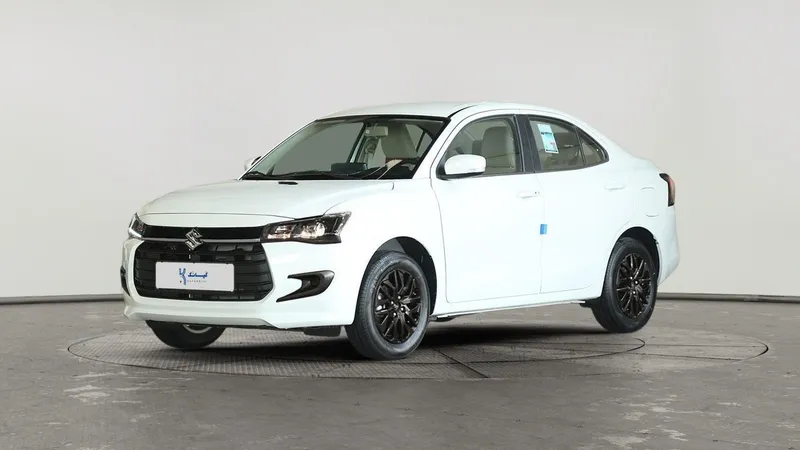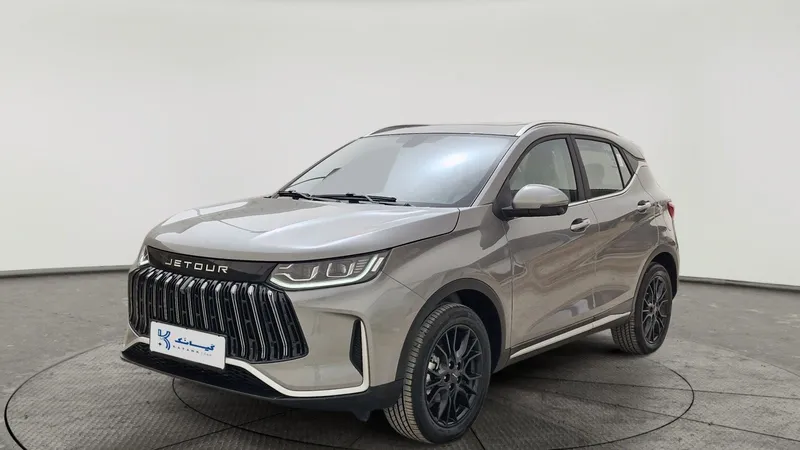
When considering the purchase of a car, whether new or used, one of the most critical steps is to conduct a thorough inspection. The importance of inspecting a car before buying cannot be overstated, as it helps potential buyers identify any hidden issues that could lead to costly repairs down the line. This article will guide you through the essential checks and considerations to ensure you make a wise investment in your next vehicle.
Understanding the Value of a Car Inspection
A car inspection serves as a safeguard against unexpected problems that may not be immediately visible. Many buyers may be tempted to skip this step, especially if the vehicle appears to be in good condition. However, a professional inspection can reveal underlying issues such as engine problems, transmission faults, or even structural damage that could compromise safety.
Moreover, inspecting a car can also provide leverage in negotiations. If you find discrepancies or issues during your inspection, you can use this information to negotiate a better price with the seller. This not only saves you money but also ensures that you are fully aware of what you are purchasing.
The Importance of Inspecting a Car Before Buying: Key Areas to Inspect
When inspecting a car, there are several critical areas to focus on. Here’s a checklist of what to examine:
- Exterior Condition: Look for scratches, dents, and rust. Check the paint for consistency, as mismatched colours may indicate repairs.
- Tyres: Examine the tread depth and look for uneven wear, which can signify alignment issues.
- Engine: Check for leaks, corrosion, and the condition of belts and hoses.
- Interior: Inspect upholstery for wear and tear, and ensure all electronics function properly.
- Brakes: Test the brake pads and discs for wear, and listen for any unusual noises when braking.
- Fluid Levels: Check oil, coolant, brake fluid, and transmission fluid levels to assess maintenance history.
Taking the time to thoroughly inspect these areas can save you from future headaches and expenses.
The Role of Professional Inspections
While a personal inspection is valuable, enlisting a professional can provide an even deeper insight into the vehicle’s condition. A qualified mechanic can perform a comprehensive assessment, including a vehicle history report that highlights any past accidents or significant repairs. This information is crucial, as it can affect the car's value and reliability.
Additionally, a professional inspection can uncover issues that may not be visible to the untrained eye. For instance, they can assess the engine's performance, check for signs of wear in the transmission, and evaluate the overall safety of the vehicle. Investing in a professional inspection is a small price to pay for peace of mind.
Questions to Ask the Seller
When inspecting a car, it's also essential to engage the seller in conversation. Here are some questions to consider asking:
- What is the vehicle’s history?: Understanding previous ownership and maintenance can provide insight into the car’s reliability.
- Are there any outstanding recalls?: Check if the car has any unresolved safety recalls that may need addressing.
- Can I see the service records?: A well-documented service history indicates that the car has been well taken care of.
- Why are you selling the car?: The seller's motivation may reveal potential issues or concerns.
- Has the car been in any accidents?: Knowing the accident history can affect your decision and the car's value.
By asking these questions, you can gather valuable information that complements your inspection findings.
The Importance of Test Driving
In addition to a visual inspection, taking the car for a test drive is a vital step in the buying process. During the test drive, pay attention to how the car performs under different conditions. Listen for any unusual noises, check the responsiveness of the brakes, and assess the comfort of the ride.
Moreover, test driving allows you to evaluate the car’s handling, acceleration, and braking. If possible, drive on various road types to get a comprehensive feel for the vehicle’s performance. This experience can help you determine if the car meets your expectations and needs.
Conclusion: Making an Informed Decision
In conclusion, the importance of inspecting a car before buying cannot be emphasised enough. A thorough inspection, whether personal or professional, is essential for ensuring that you are making a sound investment. By focusing on key areas, asking the right questions, and taking the car for a test drive, you can significantly reduce the risk of future problems.
If you're in the market for a new or used car, consider visiting KAYANAK Cars in Riyadh. Each vehicle comes with detailed information, including inspection status, allowing you to make an informed choice. Don't forget to check out our on-site car wash services to keep your new vehicle looking its best!
Frequently asked questions
Why is it important to inspect a car before buying?
Inspecting a car before buying is crucial as it helps identify hidden issues that could lead to costly repairs later. A thorough inspection can reveal problems with the engine, transmission, or structural integrity that may not be visible at first glance.
What should I check during a car inspection?
During a car inspection, focus on the exterior condition, tyres, engine, interior features, brakes, and fluid levels. Each area can provide insights into the vehicle's overall health and maintenance history.
Should I get a professional inspection?
Yes, a professional inspection is highly recommended. Mechanics can uncover issues that may not be visible to an untrained eye and provide a detailed vehicle history report, ensuring you make an informed decision.
What questions should I ask the seller?
Ask the seller about the vehicle’s history, any outstanding recalls, service records, reasons for selling, and whether the car has been in any accidents. These questions can reveal important information about the car's condition.
How important is a test drive?
A test drive is vital as it allows you to assess the car's performance, handling, and comfort. Pay attention to any unusual noises and how the car responds to different driving conditions.